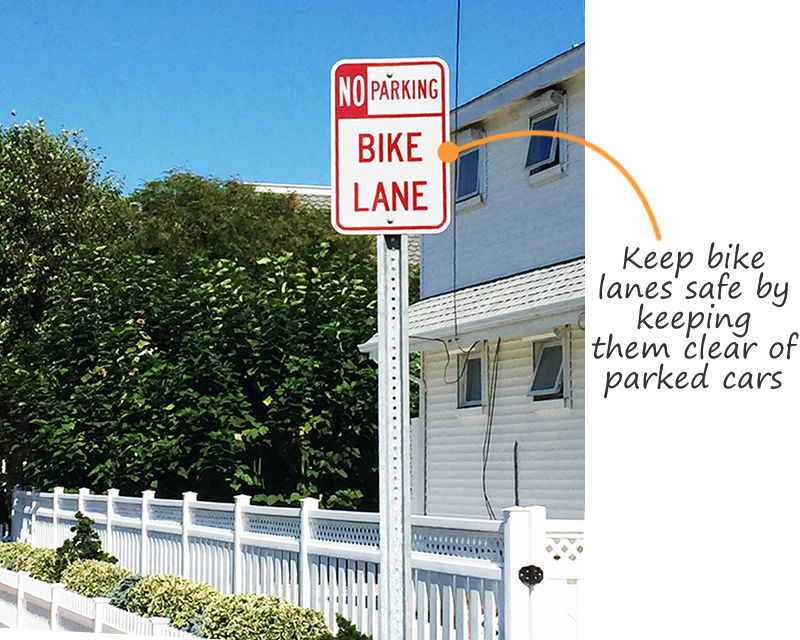
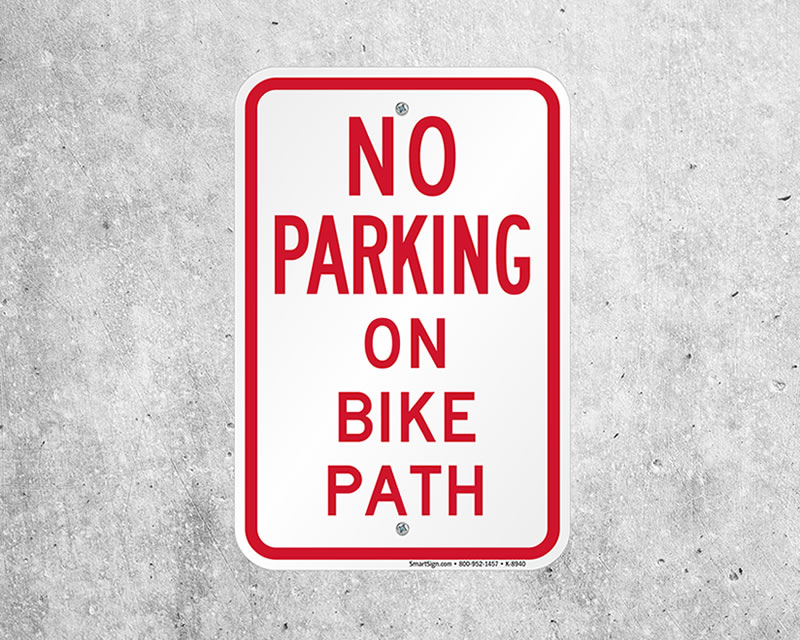
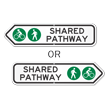
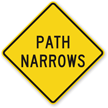
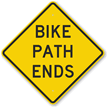
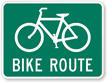
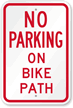
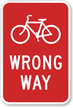
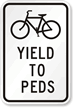
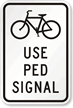
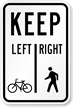
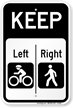
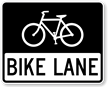
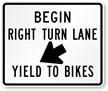
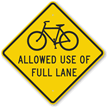
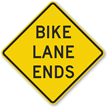
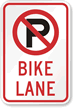
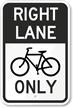
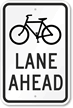
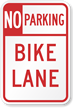
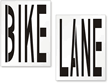
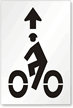
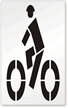
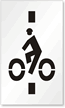
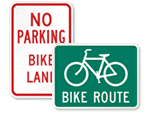
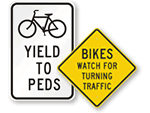
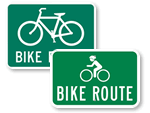
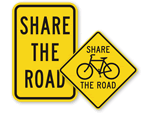
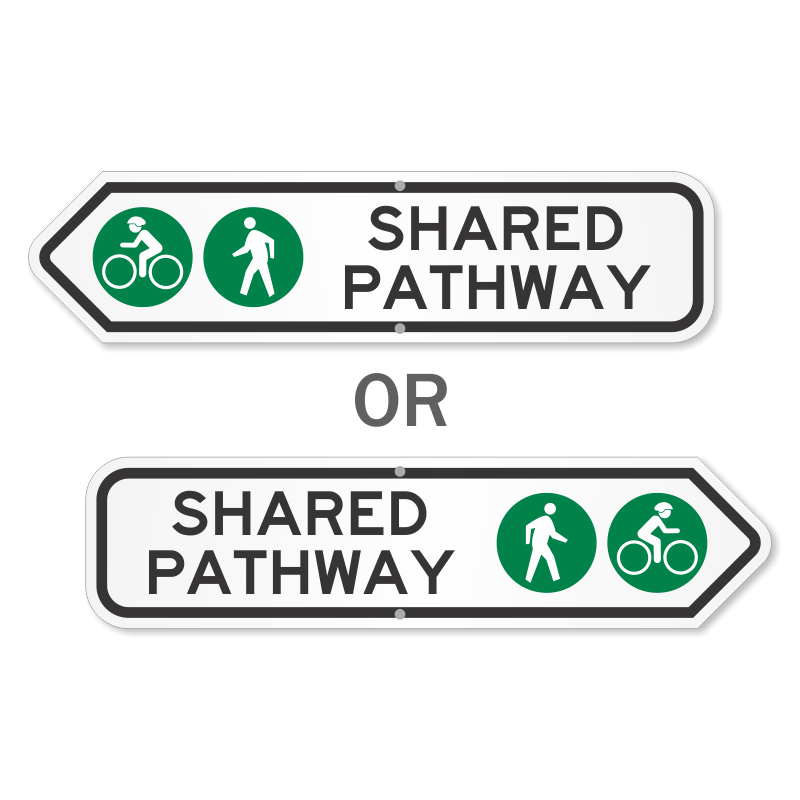
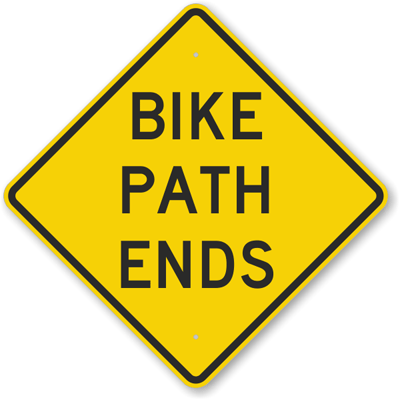
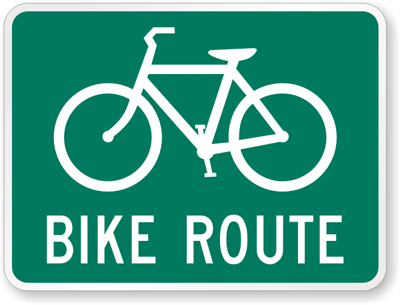
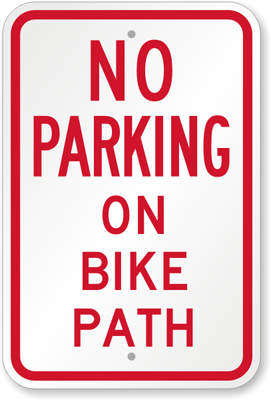
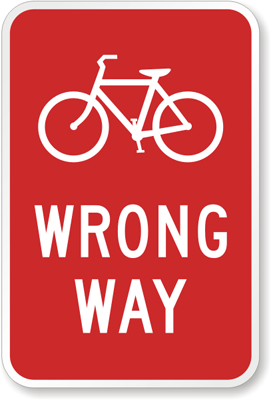
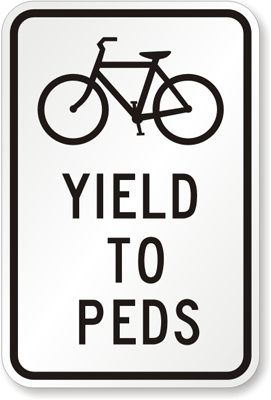
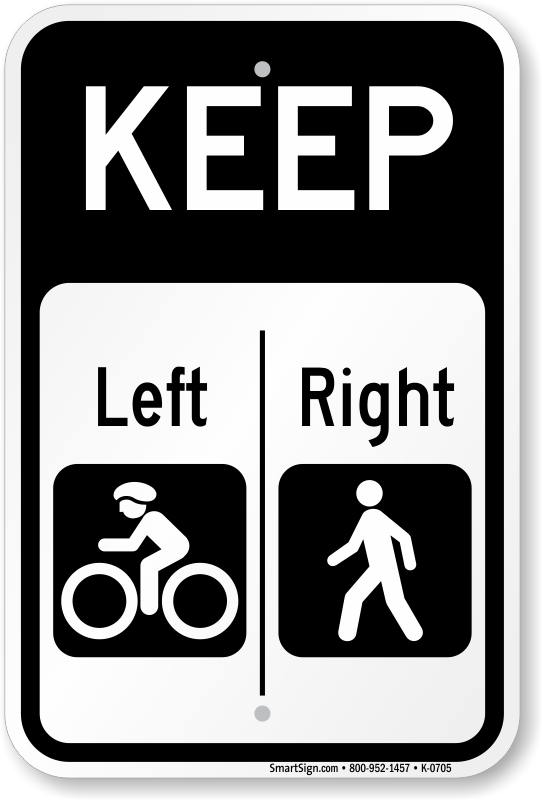
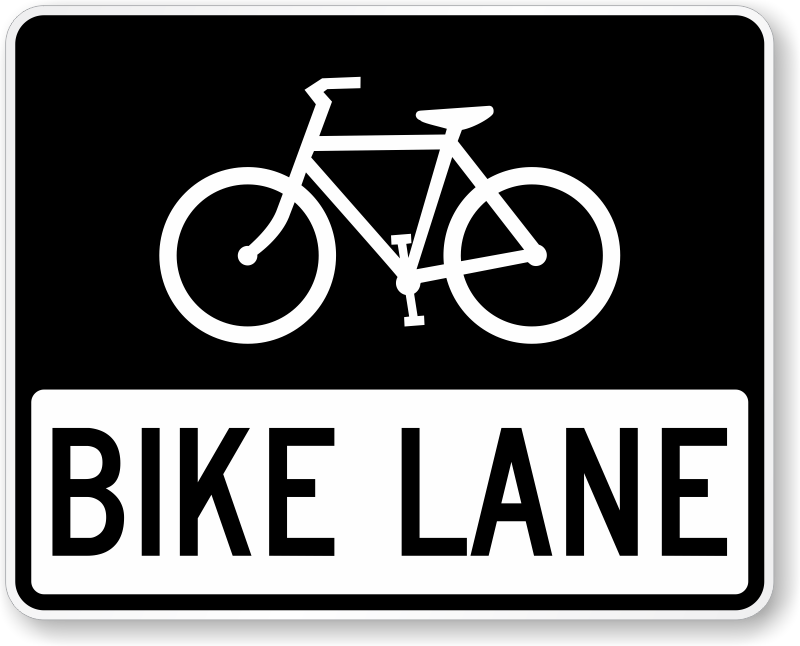
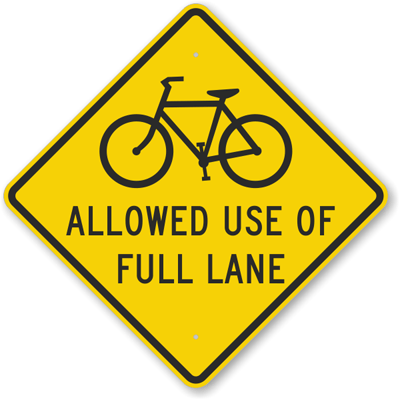
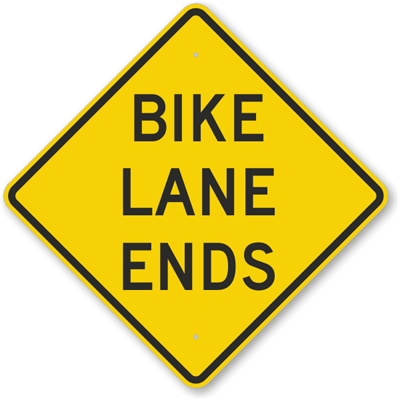
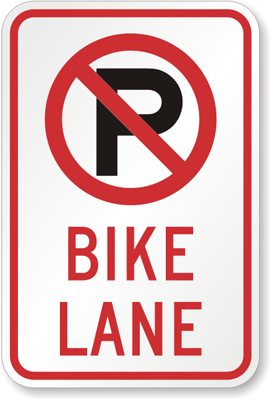
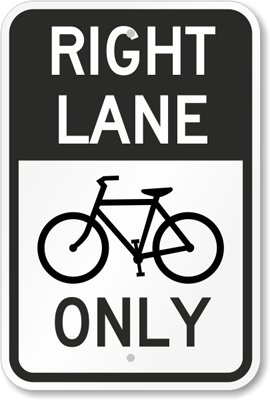
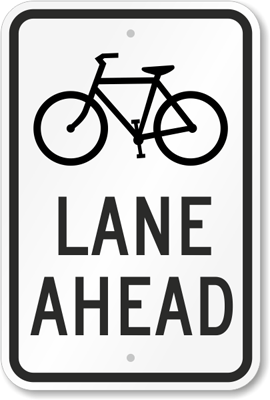
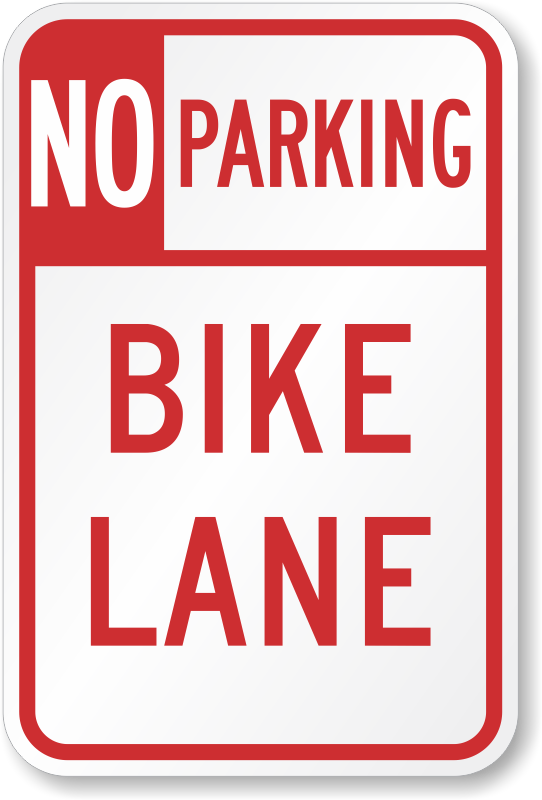
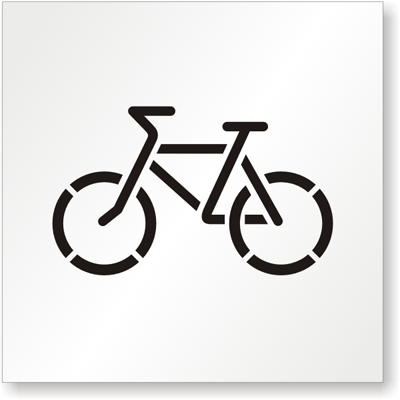
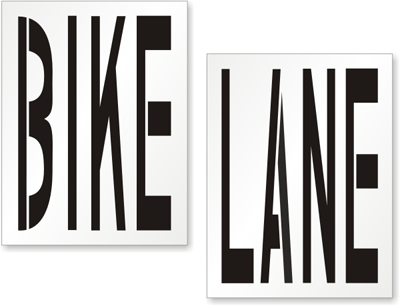
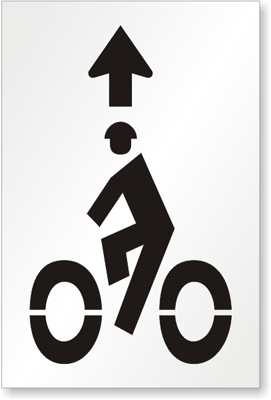
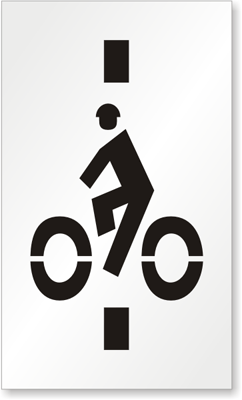
Bike paths and lanes encourage bicyclists and reduce our carbon foot print. Protect cyclists with sign posted bike lanes and trails. Signs remind drivers to share the road and stay aware of bikers.
• Post signs to keep drivers aware of bike lanes and paths.
• Bicyclists reduce the carbon footprint and protect the environment, so protect them.
• Choose from our wide variety of biking trail, traffic and lane signs.
These signs were bought for our local park. They are well made and highly visible. Just what we need to help with our continuing education about trail etiquette.

























Trail Sign : Trail Temporarily Closed Due To... Part #:K-5876 18" x 12" Heavy-Duty Aluminum Sign, 63 mil Verified PurchaseSuper happy with this purchase!
Great quality for the price!