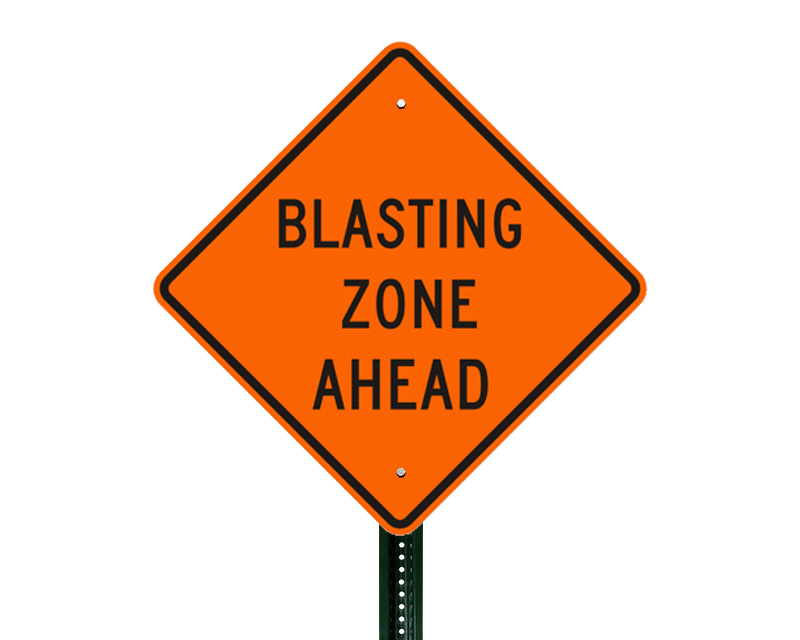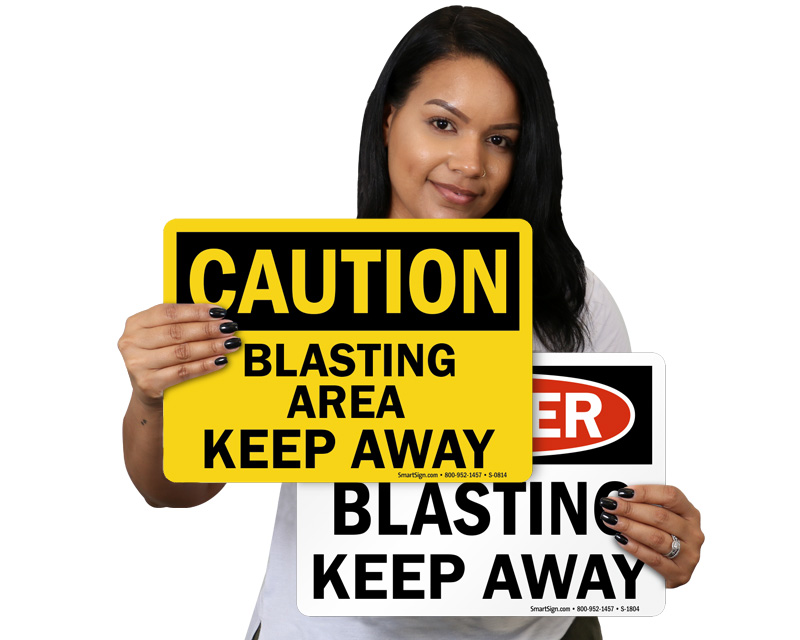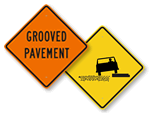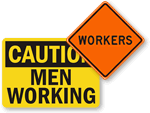
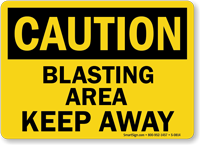
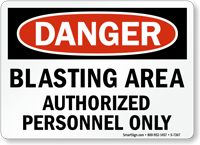


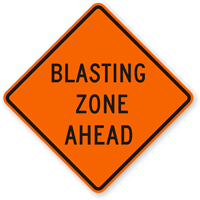
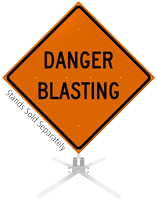
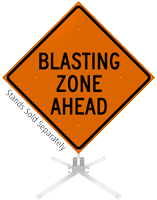
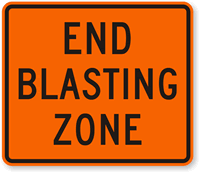
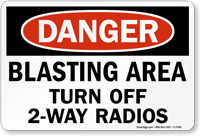
They warn of active blasting zones in mining or construction areas, alerting drivers to potential explosions, flying debris, or ground vibration. These are essential work zone signs that help maintain a safe perimeter around high-energy demolition sites.
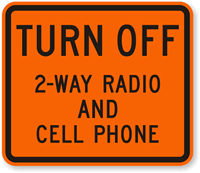
Radio frequency (RF) energy from powerful transmitters can theoretically trigger electric blasting caps. Turning off radios and cellular devices prevents accidental detonation. This is a standard safety protocol often communicated through supplemental traffic signs or plaques attached to the main warning.
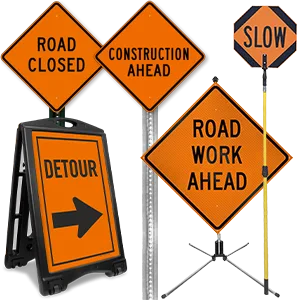
They are typically orange (construction warning) or yellow (general warning) to demand high attention from drivers entering the zone. While yellow is common for permanent mining sites, orange is the standard for road construction as seen on other caution traffic signs.
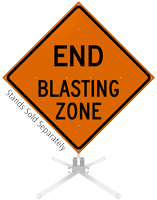
It should be placed at the point where the danger zone ends, allowing drivers to safely resume normal operations and turn their radios and phones back on. These signs should be mounted at the same height as the entry signs using heavy-duty street sign brackets to ensure they remain visible through dust and debris.
Yes, OSHA and MSHA (Mine Safety and Health Administration) regulations strictly mandate the use of specific signage to mark the perimeter of any blasting area for worker and public safety. These regulatory requirements often overlap with MUTCD standards when the blasting area is adjacent to public roadways.
Blasting signs are critical to dangerous work sites like mines and construction zones where one wrong move may cost a life.
Call our sales team at 888-343-3771 and get your quote in minutes!
Mon - Fri 8:00am to 7:00pm EST
Best price guarantee. Fast, free shipping.