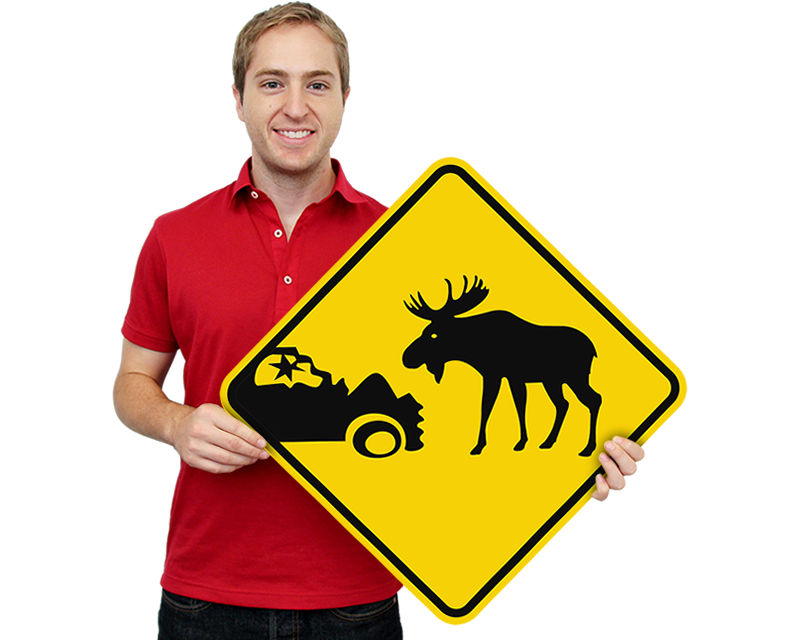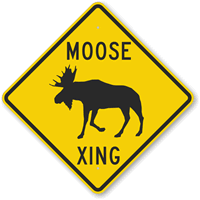
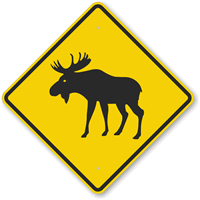
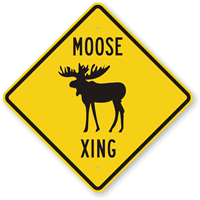
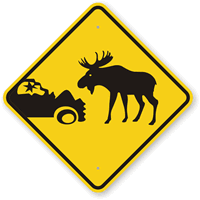
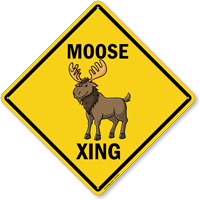
A moose crossing sign warns drivers that they are entering an area where moose frequently cross the road. These yellow diamond-shaped signs with a black moose silhouette indicate high-risk zones where drivers should reduce speed and stay alert, especially during dawn and dusk when moose are most active.
Elk crossing signs are typically placed in rural and forested areas where elk populations are known to migrate or cross roadways. They are strategically positioned 500-1000 feet before high-traffic animal crossing zones, particularly near water sources, feeding areas, and seasonal migration routes.
When you see a moose or elk crossing sign, immediately reduce your speed to 45 mph or lower, increase your following distance, and scan both sides of the road continuously. Avoid using cruise control, stay in the center of your lane, and be prepared to stop suddenly if an animal appears.
Moose and elk crossing signs follow the same design standards but feature different animal silhouettes. Both are yellow diamond-shaped warning signs with black symbols, though moose signs show a larger, more robust animal profile while elk signs display a more slender figure with distinctive antlers.
Moose crossing signs are most critical during dawn (5-7 AM) and dusk (7-9 PM) when moose are most active. These signs also become increasingly important during fall mating season (September-October) and spring calving season (May-June) when moose movement across roads significantly increases.
Large animals like moose and elk pose serious risks on the road—especially in rural, forested, or mountainous regions. Our Moose Crossing Signs and Elk Crossing Signs help alert drivers to reduce speed and stay alert in high-risk areas.
Call our sales team at 888-343-3771 and get your quote in minutes!
Mon - Fri 8:00am to 7:00pm EST
Best price guarantee. Fast, free shipping.