
5 Ways to Slow Down Traffic in Your Neighborhood
It’s a beautiful afternoon. Children are riding bikes on the sidewalk, a neighbor is walking their dog, and families are getting mail. Then you hear it—the high-pitched whine of an engine and see a car moving far too fast for a residential street.
It’s a jolt of panic every community manager, HOA board member, and concerned resident knows well. That single thought: “That car is going way too fast.”
In a private community, that speeding car isn’t just a nuisance; it’s a direct threat to the safety of your residents, their children, and their pets. It’s a liability waiting to happen. The good news? On private roads, you have the power to take control.
As a property manager or HOA board, you aren’t helpless. You can implement effective traffic calming measures. This guide provides 5 actionable “how-to” steps to slow down neighborhood traffic using one of the most effective tools at your disposal: clear, professional, and strategic private road signs.
The “How”: 5 Steps to a Safer Community
A comprehensive safety strategy is layered. You can’t just put up one sign and expect results. You must create a new environment of awareness. Here’s how to stop speeding step-by-step.
Step 1: Install Clear & Enforceable Speed Limit Signs
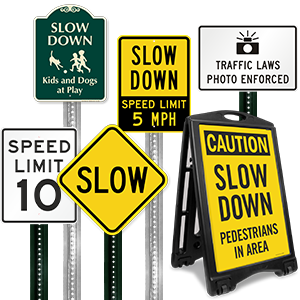
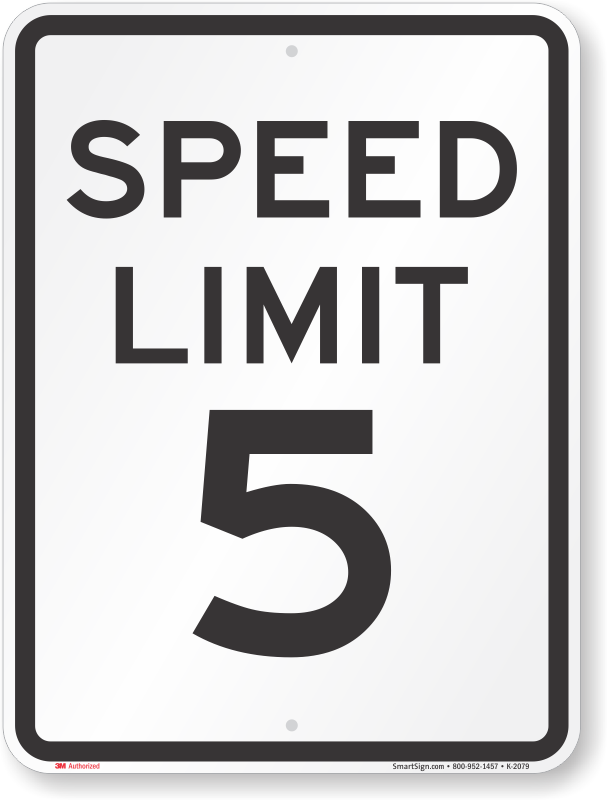
Why It Works: You cannot enforce a speed limit that isn’t clearly posted. A driver entering your community who doesn’t see a sign will default to their “habit” speed, which is often 10-15 MPH over what’s safe. A posted speed limit sign is your foundational tool. It removes the “I didn’t know” excuse and sets a clear, legal, and enforceable expectation for every driver who enters. This is the baseline for all other traffic calming efforts.
How to Implement:
- Entrances: Post speed limit signs (e.g., 15 MPH, 20 MPH, 25 MPH) at every single entrance to your community. This is non-negotiable.
- Intervals: Don’t stop at the entrance. On long, straight stretches of road—which practically invite drivers to speed up—reinforce the message. Place additional speed limit signs at regular intervals (every 500-800 feet) to remind drivers of the rule.
- Customization: A generic sign works, but a “custom speed limit sign“ that includes your community’s name or logo adds a level of authority. It communicates that this community is monitoring its streets, making the rule feel less like a suggestion and more like a policy.
Step 2: Use “Children at Play” & Warning Signs
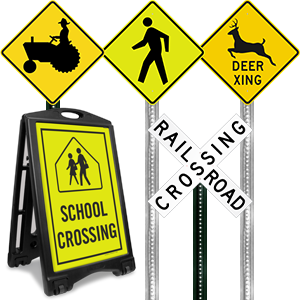
Why It Works: If a standard speed limit sign appeals to a driver’s sense of rule-following, a warning sign appeals to their conscience. Let’s be honest: some drivers will ignore a 25 MPH sign. It’s much harder for a person to ignore a bright yellow sign that says “SLOW: Children at Play.” This type of sign fundamentally changes the driver’s mindset. It’s no longer about avoiding a ticket; it’s about avoiding a tragedy. It reminds them why the speed limit exists in the first place.
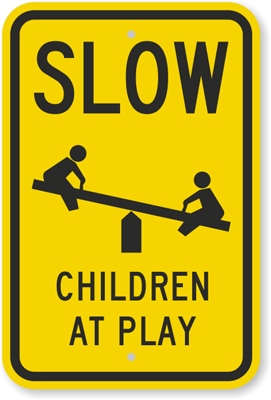 Slow Children At Play With Graphic Sign – Slow Down Sign
How to Implement:
- High-Activity Zones: Identify the “hotspots” in your community. Where are the playgrounds, community pools, parks, and mailboxes?
- Strategic Placement: Place “Watch for Children,” “Children at Play,” or “SLOW” signs in these high-activity areas. Cul-de-sacs, where kids often play on the street, are a perfect location.
- Visibility: These signs must be unmissable. Opt for bright, fluorescent yellow-green signs, which are standard for school zones and pedestrian warnings, as they are highly visible even in dim light.
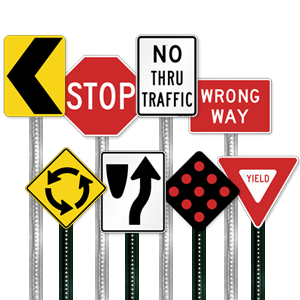
Step 3: Make Intersections Clear with STOP Signs
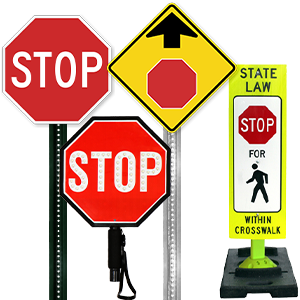
Why It Works: Intersections are conflict points. They are the most common location for accidents in a neighborhood, often due to “rolling stops” or driver confusion about who has the right-of-way. A STOP sign is the most definitive traffic control device you have. It forces a complete stop, breaking a driver’s speed and momentum. This full stop naturally slows down the overall flow of traffic, preventing drivers from “gapping” intersections and building up speed.
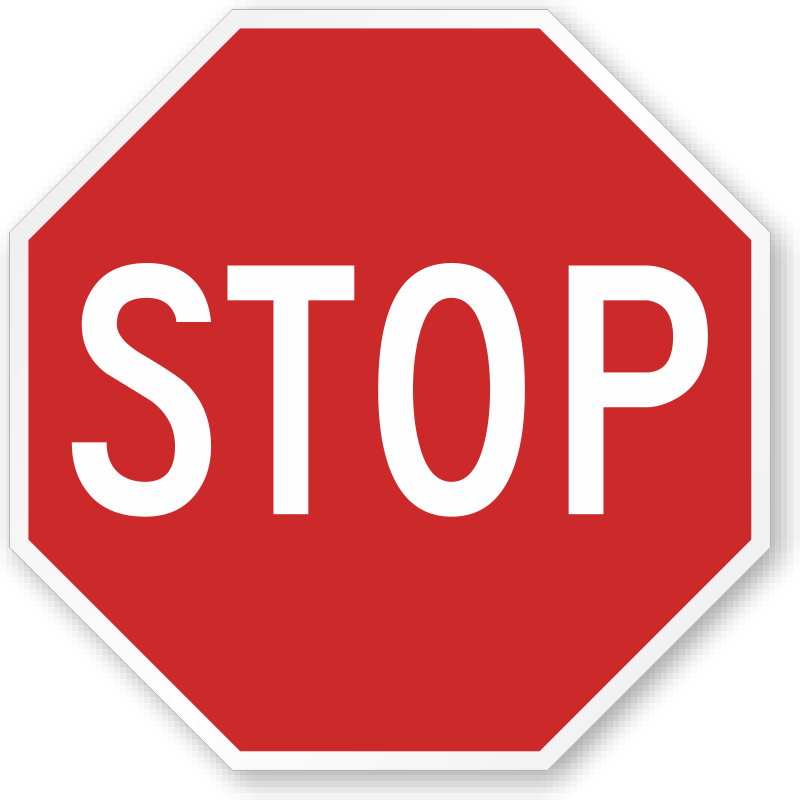 Stop Sign R1-1 – Shop Now, Ships Fast
How to Implement:
- All-Way Stops: For 4-way intersections with equal traffic flow, an all-way stop is highly effective.
- 2-Way Stops: For “T” intersections or where a minor road joins a main community thoroughfare, use STOP signs to control the flow from the minor road.
- Compliance is Key: Your STOP signs should be MUTCD-compliant (Manual on Uniform Traffic Control Devices). This means they must be the standard red octagon with white letters and a white border. Using compliant signs ensures they are immediately recognizable and taken seriously. For less critical intersections, a YIELD sign can also be an effective alternative.
Step 4: Warn Drivers of Road Changes
Why It Works: Drivers speed up when the road is long, straight, and predictable. The best way to combat this monotony is to introduce elements that demand their attention. These are often physical changes—like speed bumps, dips, or sharp curves—but the sign is what makes them safe and effective. Warning drivers of an upcoming change forces them to slow down, not just for the rules, but for their own comfort and the safety of their vehicle.
How to Implement:
- Before the Bump: If you have speed bumps or humps, you must warn drivers. Install a “BUMP” or “SPEED HUMP AHEAD” sign 50-100 feet before the obstacle. This prevents complaints about vehicle damage and ensures drivers slow down before they hit it.
- Curves and Turns: On sharp turns or blind curves, a “Sharp Curve Ahead” (chevron) sign gives the driver vital information, prompting them to reduce speed to maintain control.
- Other Hazards: Use “DIP” signs for large drainage dips, “NARROW BRIDGE” signs, or even “Watch for Pedestrians” signs to keep drivers on high alert. Each warning breaks their focus on speed and returns it to the road.
Step 5: Don’t Forget Your Posts & Hardware!
Why It Works: This final step may seem obvious, but it’s the most common point of failure. A stack of brand-new signs in the maintenance shed does nothing to slow down neighborhood traffic. A sign that is installed too low, hidden behind a bush, or knocked over is just as useless. A professional, sturdy installation is the final piece of the puzzle. It ensures your message is seen, respected, and lasts for years.
How to Implement:
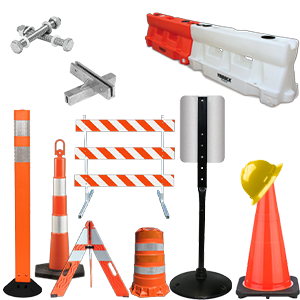
- The Right Post: The industry standard for road signs is a U-Channel Post. They are strong, easy to install, and designed to hold signs securely against wind and weather.
- The Right Height: Don’t just guess. To be effective and compliant with MUTCD guidelines, the bottom of your sign should be 7 feet above the ground in a residential area. This height ensures it’s visible to drivers in all vehicle types (from sedans to large trucks) and is high enough to be seen over parked cars.
- The Right Hardware: Use the correct sign brackets and tamper-resistant bolts to attach your signs to the posts. This ensures your investment is protected and your signs stay where you put them.
Take Control of Your Community’s Safety
Taking control of your neighborhood’s safety is not a single-day project, but it is straightforward. By implementing a layered strategy of clear rules, emotional reminders, and physical cues, you can effectively slow down neighborhood traffic and restore peace of mind.
It starts with the foundation of Speed Limit Signs, adds the conscientious reminder of a “Children at Play sign”, controls intersections with STOP signs, warns of changes with Warning Signs, and is all held together with professional Posts and Hardware.
You have the power to protect your residents. A safer, calmer community is just a few signs away.
Call-to-Action: Ready to make your community safer? Browse our full collection of
[Speed Control Signs] and [Sign Posts & Hardware] today!
Frequently Asked Questions (FAQ)
1. Are traffic signs like STOP signs and speed limits really enforceable on private HOA roads?
A.: This is a common question. While a local police officer may have limited jurisdiction to ticket for speeding on a private road (this varies by state and municipality), the true power lies with the HOA. Your signs set the community standard. Enforcement is handled through the HOA’s governing documents—by-laws, and Covenants, Conditions & Restrictions (CC&Rs). Speeding drivers can be issued warnings, fines, or even have community privileges suspended, as defined in your documents. The signs are the necessary first step to having a rule to enforce.
2. What is the single best location for a “children at play sign”?
A.: There isn’t one “best” spot, but the most effective spots are transition points. Place them where drivers enter a “safe zone,” such as the entrance to a cul-de-sac, right before a community park, or near a community pool entrance. The goal is to catch the driver’s eye before they reach the area where children are likely to be present, giving them ample time to slow down.
3. Should I get a standard speed limit sign or a “custom speed limit sign”?
A.: A standard sign is perfectly effective and meets legal requirements. However, a custom speed limit sign that includes your community’s name or logo often has a stronger psychological effect. It “personalizes” the rule, signaling that the speed limit is an active policy set by the community management, not just a generic suggestion.
4. Do “HOA parking solutions” also help slow down traffic?
A.: Yes, they can, indirectly. Poorly managed parking—like cars parked too close to intersections, on blind curves, or on both sides of a narrow street—can create serious visibility hazards. Implementing formal HOA parking solutions, such as “No Parking Here to Corner” signs, designated parking areas, or painting curbs red, can improve sightlines. Furthermore, a street with designated parallel parking (a form of “road narrowing”) can psychologically cause drivers to slow down and be more cautious.
5. We’ve put up signs, but some people still speed. What else can we do?
A.: Signs are step one of a “Traffic Calming” strategy. If signs alone aren’t solving the entire problem, your next step is physical deterrents. These include:
- Speed Humps/Bumps: The most common and effective physical solution.
- Road Narrowing/Chokers: Using planters or curb extensions to narrow the road.
- Community Communication: Use your newsletter and community meetings to constantly remind residents why this is important.
- Speed-Reader Signs: These digital signs display a driver’s speed back to them, often flashing if they are over the limit. They are highly effective at grabbing attention.
Category: Uncategorized
