
Yield vs Stop Signs: What’s the Actual Difference?
We have all seen it happen. A driver approaches a Stop sign, slows down to a crawl, glances left and right, and then rolls through without ever actually stopping. This is known as the “rolling stop,” and while it might feel like a Yield, the law treats it very differently.

Confusion between Stop signs and Yield signs is a leading cause of intersection accidents. While both control the flow of traffic and assign the right-of-way, they require distinct actions from the driver. Treating a Stop sign like a Yield sign is a ticketable offense. Treating a Yield sign like a Stop sign can cause rear-end collisions.
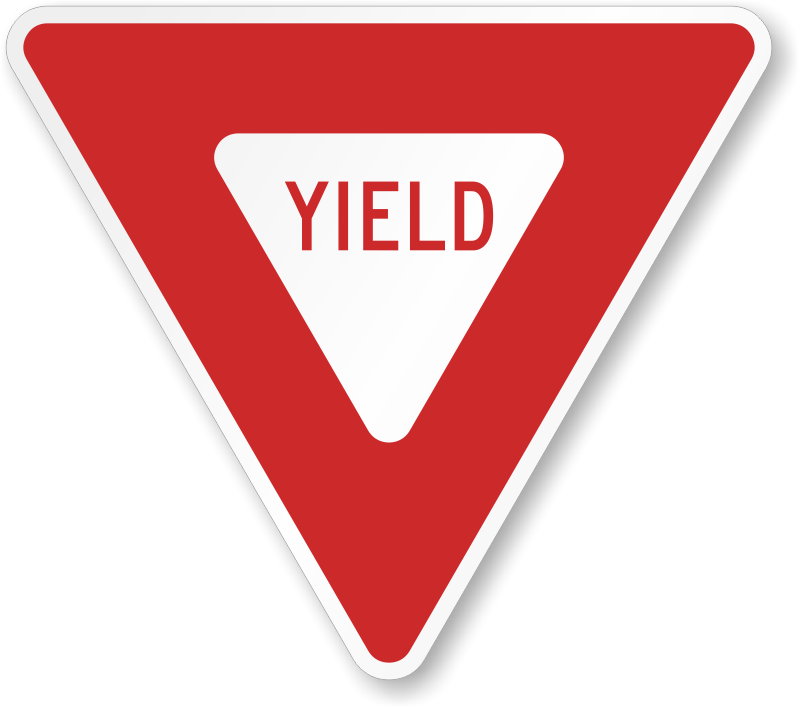
Understanding the specific legal and safety requirements of each sign is essential for property managers and municipal planners alike. Learn more about the critical differences between these two red-and-white regulators and where each should be used.
The Purpose of Traffic Control Signs
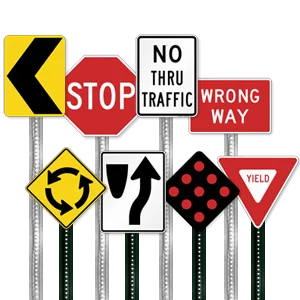
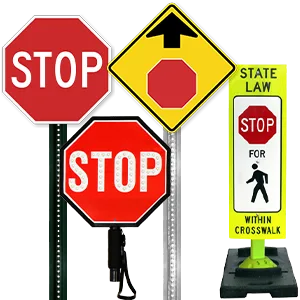
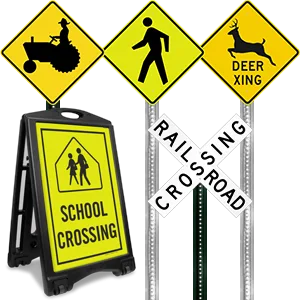
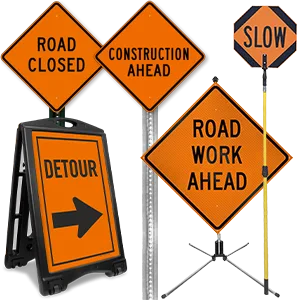
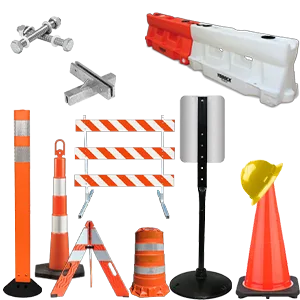
Traffic signs are designed to communicate rules instantly. Stop and Yield signs specifically address “Right of Way,” determining who gets to go first and who must wait. When outfitting your private road or parking lot, you will encounter these standard options:
Shop Traffic Control Signs:
The 3 Core Differences Between Yield and Stop
While they seem similar, the rules governing them are black and white. Here is how they compare.
1. The Required Action
The most significant difference is the level of vehicle cessation required.
-
Stop Sign: Requires a complete cessation of movement. The wheels must stop turning entirely. The driver must pause, check for pedestrians and cross-traffic, and then proceed only when safe.
-
Yield Sign: Requires the driver to slow down and defer to oncoming traffic. If the road is clear, the driver does not need to come to a full stop. They can continue through the intersection at a reduced speed. However, if traffic is present, the Yield sign effectively becomes a Stop sign.
2. The Shape and Design
Traffic engineers use shape to communicate danger levels before the driver can even read the text.
-
Stop Sign: An Octagon (8 sides). It is the only traffic sign with this shape, making it recognizable even from the back or when covered in snow.

Stop Sign -
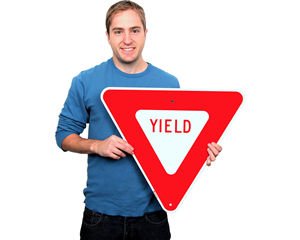
Yield Sign: An Inverted Triangle. This unique shape signals caution and “give way” without commanding a full halt.
3. Where They Are Installed
Placement is determined by visibility and traffic speed.
-
Stop Signs are used at intersections with high traffic volume, poor visibility, or where a fair “turn-taking” system (like a 4-Way Stop) is needed to prevent accidents.
-
Yield Signs are used in merge lanes, roundabouts, or intersections with excellent visibility where stopping completely would unnecessarily disrupt the flow of traffic.
Why Using the Wrong Sign Matters
For property owners, installing the wrong sign can create liability. Putting a Stop sign at every corner of a private parking lot might seem safer, but over-signing can lead to “sign fatigue,” where drivers ignore the signs because they seem unnecessary. Conversely, using a Yield sign at a blind corner is a recipe for disaster.
The Golden Rule: If a driver cannot clearly see oncoming traffic from 50 feet away, use a Stop Sign. If visibility is perfect and traffic is light, a Yield Sign is likely sufficient to keep traffic moving efficiently.
Incorporate the Correct Signage
Using the correct regulatory signage keeps traffic flowing smoothly and reduces the risk of collisions. Whether you are managing a shopping center or a private community, ensure your signs meet the Manual on Uniform Traffic Control Devices (MUTCD) standards.
Read through some of the other articles published on our blog to get more expert advice on parking lot and roadway safety.
Frequently Asked Questions (FAQ)
1. What is the legal difference between a Stop and a Yield?
A. The difference is the requirement to halt. At a Stop sign, a driver is legally required to come to a complete dead stop, regardless of whether other cars are present. At a Yield sign, the driver must slow down and prepare to stop but is legally permitted to proceed without stopping if the road is clear.
2. Can you get a ticket for not stopping at a Yield sign?
A. Yes, if you fail to yield the right-of-way. While you do not have to stop if the road is empty, you must stop if there is oncoming traffic or a pedestrian crossing. Proceeding through a Yield sign when it is unsafe to do so is a traffic violation, often cited as “Failure to Yield.”
3. Why are Stop signs octagon shaped?
A. The octagon shape is unique to Stop signs so it can be identified instantly. It was chosen because it allows drivers to recognize the command to stop from a distance, at night, or even from the back of the sign (due to the distinct silhouette), ensuring safety even if the text is obscured.
4. Who has the right of way at a Yield sign?
A. The vehicle already in the intersection or on the main road. The driver facing the Yield sign must give the right-of-way to all other traffic and pedestrians. They may only enter the intersection or merge once it is safe to do so without causing other drivers to brake or swerve.

Category: Road safety